
A Little Visit

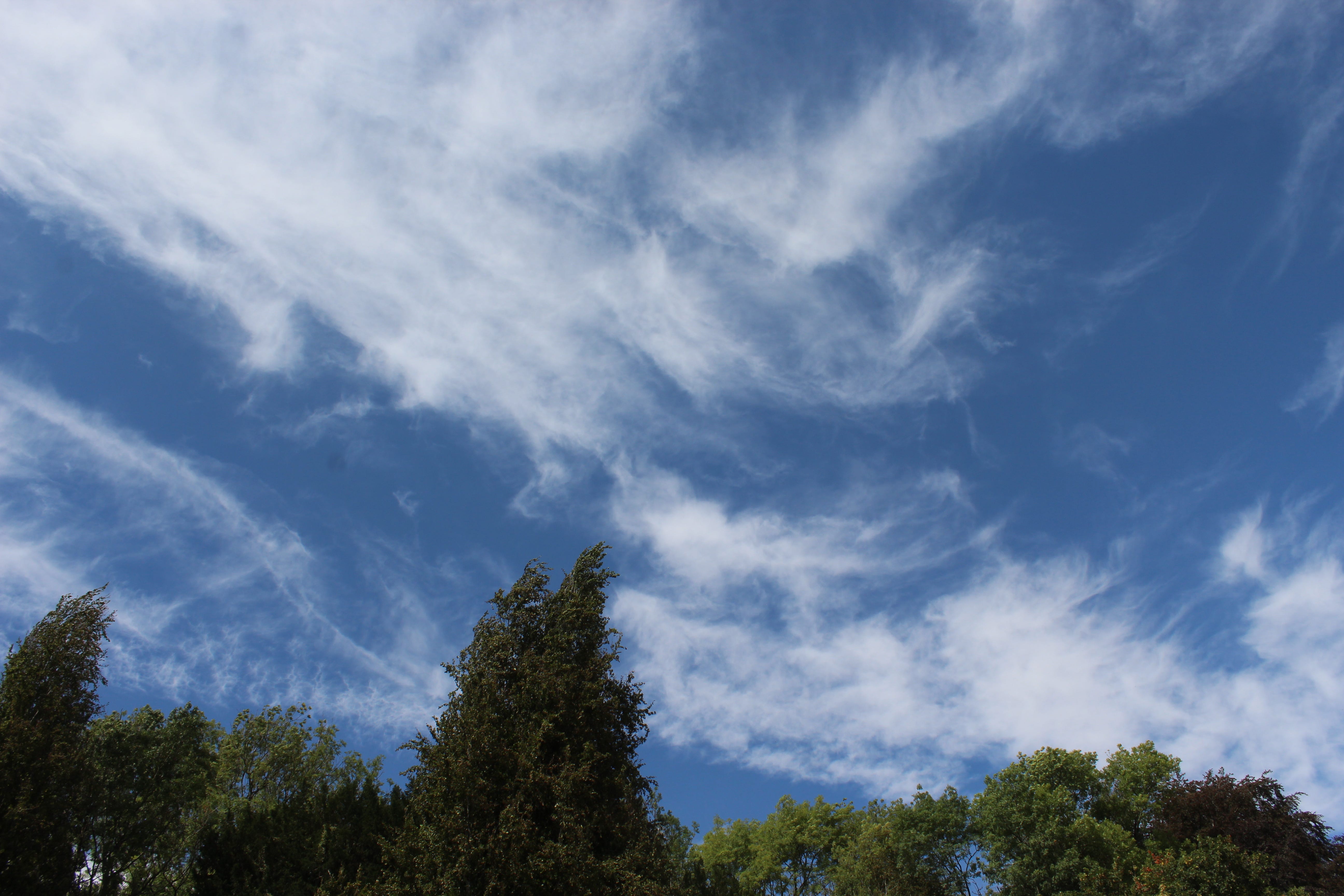
A trip back to the countryside to see my family. The land is without time, and dry to the point of dying. We water the plants in the beds in the garden, but we have to be judicious: no hosepipe ban yet, surprisingly, though the pressure to be conscientious appears in the form of emails from Wessex water, and an ambient sense of disapproval hangs heavy in the stuck air. Make your garden too luscious, and the other villagers would notice.
Even after the water company suggests we run the water to clear an airlock that makes the pipes sound like a foghorn, and I take the hosepipe round the front, I’m given instructions from my parents as to how to respond if someone walks by and tells me off.
My parents are disciples of the “practical sacred”: every day they pick up litter from the lane (red bull cans, cider bottles, tissues), and their house is meticulous. Nearing eighty, they also tidy the church graveyard, and visit care homes of varying types to help others pass the time. My father plays in a jug band and an amateur orchestra, and still runs, cycles, and swims. They regularly look after my brother’s children. Everything can be done: they are impeccable, organised, thoughtful, socially-minded people—to an extent I find almost unbearably impressive.
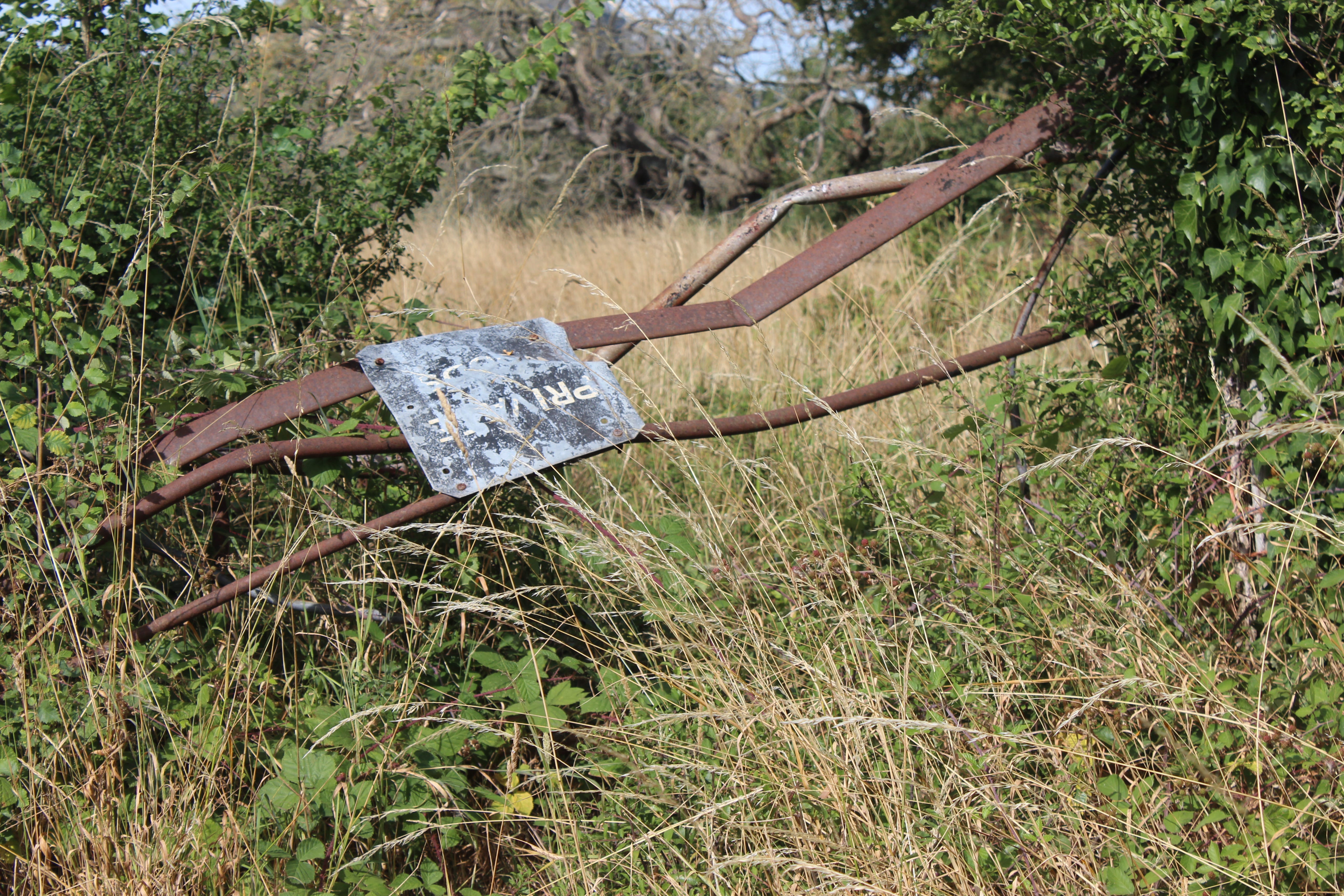
They are losing friends: to cancer, dementia, grief, to nothing atll. I don’t want them to die at all, or at least live to a hundred, but they are sanguine, insofar as anyone can be, about death. They often talk about how lucky they’ve been, and the interesting experiences they’ve had. They remember everything. We play shove ha’penny on a table my father made, a card game composed of my mother’s photographs, and we walk a lot, despite my mother’s still-recovering broken knee. They watch goldfinches drink water from a tray in the garden, speak to the cows, admire the sunset from the backyard, and regularly discuss the size of the moon. My father draws water from a well in the garden which gets lower every year. They have been married for fifty-six years, and love each other.
There is a curious melancholy I always get when I return. Over the years it has shifted from a heavier feeling somewhere in the middle of my chest to a lighter sensation that is a little more armoured. But I don’t know what it is. Something about the quality of time here: no matter how early one rises, it is never possible to do any work, beyond picking up leaves or helping to tidy. Something about England, or this part of it, with its impossible, gentle beauty: the dry stone walls, the narrow lanes, the indifferent vegetation. My mother starts to tell me about an encounter she had recently with an angry squirrel, but cuts it short because she doesn’t want to upset my nephew, who is seven, and loves football.
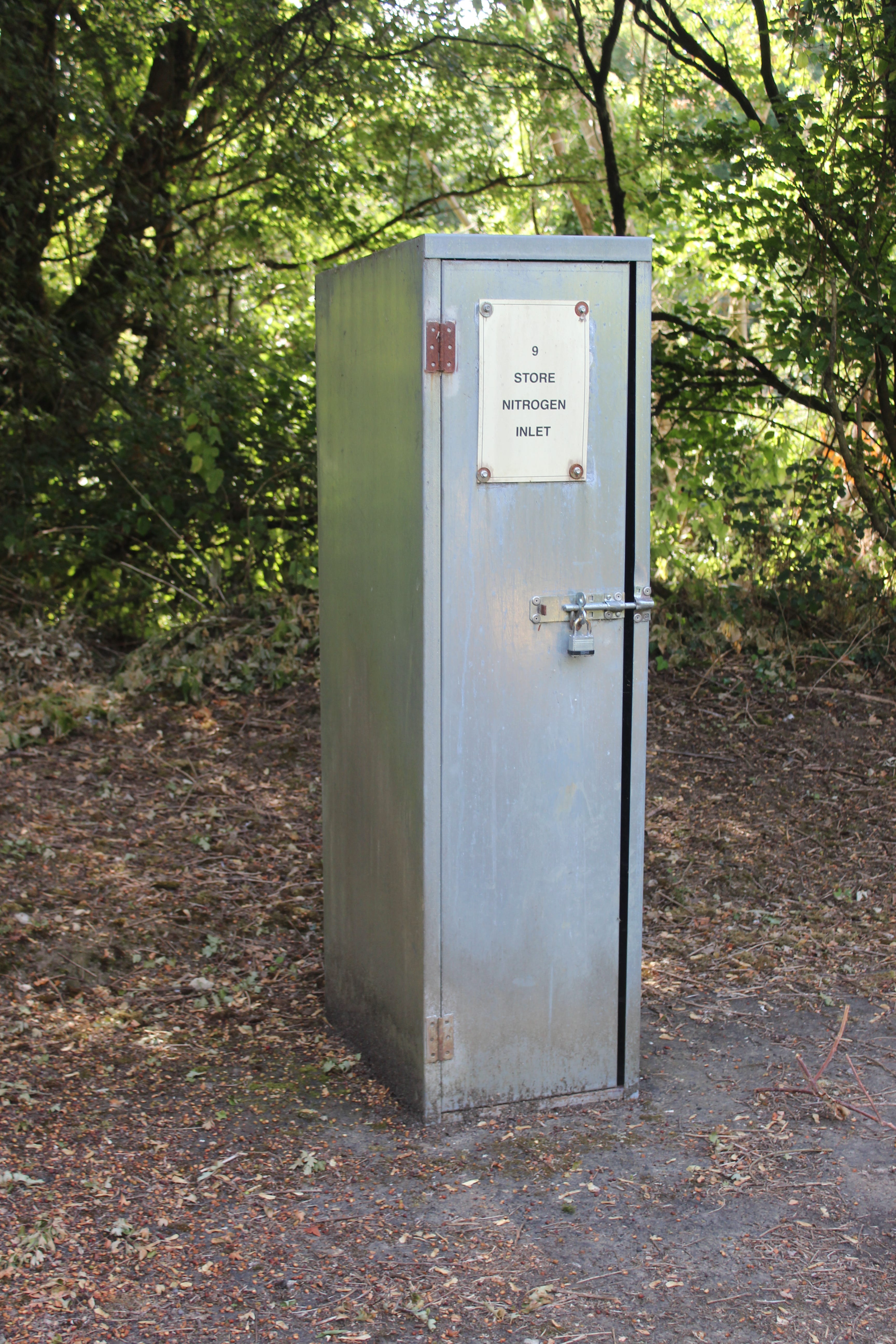
The immediacy of life here, the need to fix, plan and handle animals and plants: words feel like an affectation, a hobby that got out of hand. The jerky over-stimulation of the city: neighbourhood noise, the chaotic 3am party that never ends, none of this is here: there are woodpigeons, and doves, ents and efts and almshouses, practical men and sociable women. I have no idea how I became so utterly useless, some perverse imp that whispered in my childish ear and suggested I dedicate my life to absurd things. In the countryside, I accept everything. In the city, I accept everything. But these are different things to endure (somewhere between tolerate and embrace in either case). Who would I be if I returned?
Beautifully put. Much of it resonates with me, as I was largely raised in rurality and am now a city-dweller myself.
If I may say, your parents sound like magnificent people.
I think I know that curious melancholy too, or something like it. Whenever my folks come up to visit, or if I visit them, something inside me dislocates somewhat before, during and after. It's not a bad feeling, mostly, but it certainly provokes curiosity.
I know it's hardly for me to say, but you're not useless: the world of the absurd is now quite pervasive, and we need people who are currently therein to send out bulletins to us in the most artful and authentic ways possible.
Lovely writing. Although because of that jug band detail I am now (falsely) imagining your father hanging out with Jim Kweskin, The Fugs, if not The Grateful Dead and Harry Smith, etc! Apologies if he didn't have a beatnik acid phase.